AI is rapidly transforming various aspects of our lives, and the world of sports and fitness is no exception. One of the most promising applications is in injury prevention. Machine learning algorithms can analyze vast amounts of data to predict potential risks and help athletes, trainers, and coaches make informed decisions to avoid training-related injuries. This article explores how AI is being used in injury prevention, its benefits, and how you can leverage it.
Imagine being able to identify potential injury risks before they sideline you. That's the promise of AI-powered injury prevention.
The Power of Predictive Analytics in Injury Prevention
At its core, AI-driven injury prevention relies on predictive analytics. This involves using machine learning models to analyze data and identify patterns that indicate an increased risk of injury. The more data, the better the model becomes at identifying subtle indicators that a human might miss. These indicators could be related to training load, biomechanics, sleep patterns (as monitored by tools for AI Sleep Analysis: Optimize Recovery and Performance with Data), or even psychological factors.
Here's a breakdown of how it works:
- Data Collection: AI systems gather data from various sources, including wearable sensors, training logs, biomechanical assessments, and medical records.
- Feature Engineering: The raw data is processed to extract relevant features that might be associated with injury risk. These features could include training volume, intensity, sleep duration, heart rate variability, and movement patterns.
- Model Training: Machine learning algorithms are trained on historical data to learn the relationship between these features and the occurrence of injuries.
- Risk Prediction: The trained model is used to predict the likelihood of an injury based on an individual's current data.
- Intervention: Based on the risk prediction, personalized interventions are recommended to reduce the risk of injury. These interventions might include adjusting training load, modifying exercise technique, or addressing sleep or nutrition deficiencies.
Benefits of AI-Driven Injury Prevention
- Reduced Injury Rates: By identifying and addressing risk factors early, AI can significantly reduce the incidence of training-related injuries.
- Improved Performance: Preventing injuries allows athletes to train consistently and reach their full potential.
- Personalized Training: AI enables tailored training programs that consider individual needs and risk factors.
- Objective Insights: AI provides objective, data-driven insights that can supplement the expertise of coaches and trainers.
- Faster Recovery: When injuries do occur, AI can help optimize recovery by monitoring progress and recommending personalized rehabilitation protocols.
Real-World Examples and Use Cases
AI is already making a significant impact in various sports and fitness settings. Here are some examples:
- Professional Sports Teams: Many professional sports teams are using AI-powered systems to monitor their athletes' training load, biomechanics, and sleep patterns. This data is used to identify athletes who are at risk of injury and to adjust their training programs accordingly.
- Rehabilitation Centers: AI is being used in rehabilitation centers to monitor patients' progress and to personalize their rehabilitation protocols. This can help patients recover faster and more completely.
- Fitness Apps: Several fitness apps are incorporating AI-powered features to provide personalized training recommendations and to help users avoid injuries. Some apps even use computer vision to provide AI Form Correction: Perfect Your Exercise Technique with AI.
- Military Training: The military is exploring the use of AI to prevent injuries in soldiers during training. This is particularly important given the high physical demands of military service.
Use Case: Preventing Running Injuries with AI
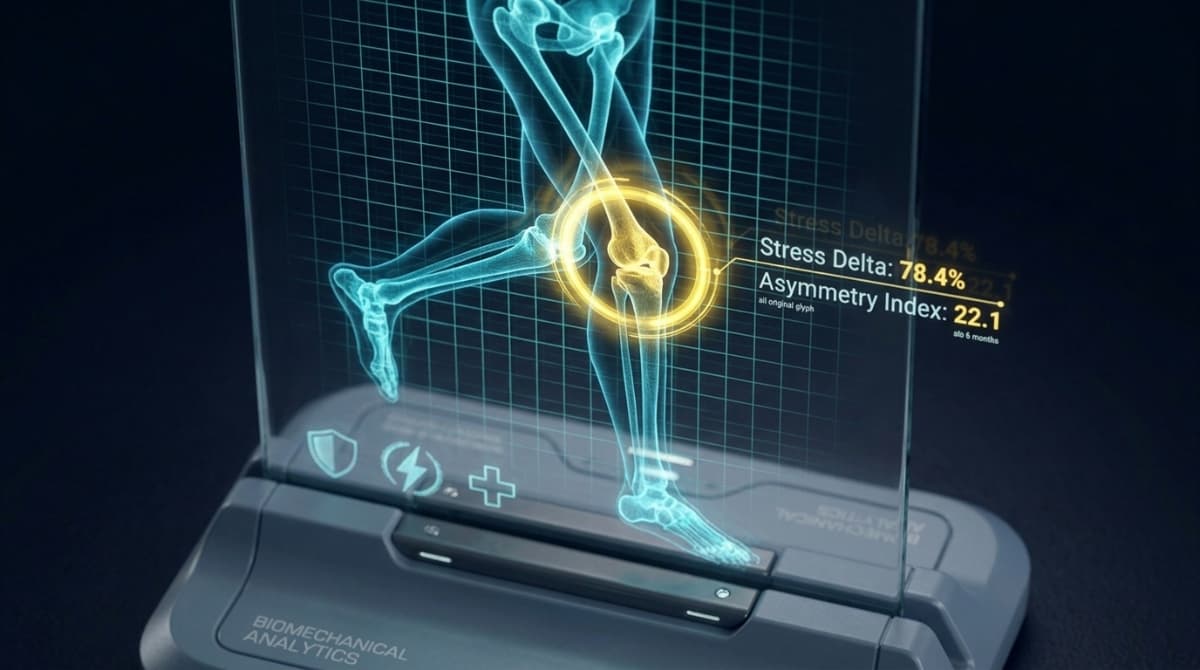
Imagine a runner using a wearable sensor that tracks their running biomechanics, such as stride length, cadence, and ground contact time. This data is fed into an AI model that has been trained on data from thousands of other runners. The AI model can identify subtle changes in the runner's biomechanics that might indicate an increased risk of injury, such as overstriding or excessive pronation. Based on this information, the AI system can provide personalized recommendations to the runner, such as shortening their stride length, increasing their cadence, or using different running shoes. This proactive approach can help the runner avoid common running injuries, such as shin splints or plantar fasciitis. For even more assistance, explore the possibilities of an AI Running Coach: Design Your Personalized 5K Plan.
Getting Started with AI for Injury Prevention: A Step-by-Step Guide
Ready to explore how AI can help you prevent injuries? Here's a practical checklist to get started. It's important to remember that this technology is still evolving, so a DIY approach will require some experimentation. Always consult with medical or fitness professionals before making significant changes to your training.
- Assess Your Current Data Collection: What data are you already tracking about your training, recovery, and well-being? This might include mileage, intensity, sleep duration, heart rate, and any pain or discomfort you experience. If you aren't tracking anything, start with a simple spreadsheet or journal.
- Explore Wearable Sensors: Consider investing in wearable sensors that can provide more detailed data about your movement patterns and physiological responses. Options include smartwatches, fitness trackers, and specialized sensors that measure biomechanics.
- Research AI-Powered Fitness Apps: Look for fitness apps that incorporate AI-powered features for injury prevention. Read reviews and compare features to find an app that meets your needs. Pay attention to how the app collects data, what kind of insights it provides, and how it personalizes recommendations.
- Consult with a Professional: Consider working with a coach, trainer, or physical therapist who is familiar with AI-powered injury prevention. They can help you interpret the data from your wearable sensors and fitness apps, and they can provide personalized recommendations based on your individual needs and risk factors. Some may even be using AI Virtual Personal Trainers: Are They Worth the Hype?.
- Start Small and Iterate: Don't try to overhaul your entire training program overnight. Start by making small, incremental changes based on the insights you gain from AI. Monitor your progress and adjust your approach as needed.
- Track Your Progress: Continuously monitor your injury rates and overall performance to assess the effectiveness of your AI-driven injury prevention strategy. This iterative process ensures that you're always optimizing your approach.
How it Works Under the Hood
AI injury prevention systems rely on a combination of machine learning techniques, statistical analysis, and biomechanical modeling. Here’s a look at the core components:
- Machine Learning Algorithms: Algorithms like Random Forests, Support Vector Machines (SVMs), and Neural Networks are commonly used to build predictive models. These algorithms learn complex relationships between input features (e.g., training load, biomechanics) and injury outcomes.
- Data Preprocessing: Raw data from sensors and training logs is often noisy and incomplete. Data preprocessing techniques are used to clean, transform, and normalize the data before it is fed into the machine learning models. This might involve filling in missing values, smoothing out noisy signals, and converting data into a consistent format.
- Feature Selection: Not all features are equally important for predicting injury risk. Feature selection techniques are used to identify the most relevant features and to reduce the dimensionality of the data. This can improve the accuracy and efficiency of the machine learning models.
- Biomechanical Modeling: Biomechanical models are used to simulate the forces and stresses on the body during movement. These models can help identify specific movement patterns that might increase the risk of injury. For example, a biomechanical model might be used to assess the impact of different running techniques on the knees and ankles.
AI-driven injury prevention is a rapidly evolving field with the potential to revolutionize the way we approach sports and fitness. By leveraging the power of data and machine learning, we can create personalized training programs that minimize the risk of injury and maximize performance.