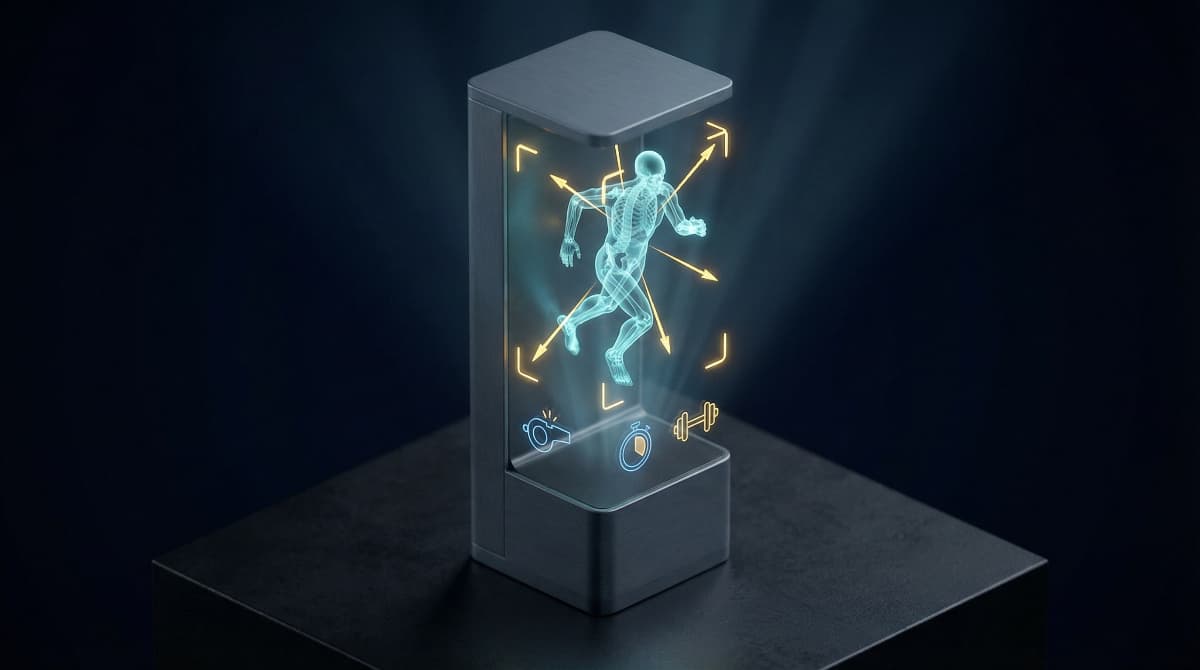
AI-powered personal trainers are rapidly evolving, promising personalized fitness experiences like never before. These virtual coaches leverage sophisticated algorithms and data analysis to tailor workouts, track progress, and provide feedback. But with all the hype, it's crucial to ask: are AI virtual personal trainers truly worth it? Can they replace the nuanced guidance and motivation of a human coach? Or, is this the future of fitness, offering accessibility and personalization at scale?
This article explores the potential of AI in fitness, examining the advantages, limitations, and real-world applications of AI-powered personal trainers. We'll delve into how these systems work and help you decide if an AI coach is right for you.
What is an AI Virtual Personal Trainer?
An AI virtual personal trainer is a software application or platform that uses artificial intelligence to guide users through personalized fitness programs. Unlike generic workout videos or apps, AI trainers adapt to individual needs, goals, and fitness levels. They analyze data points like your weight, height, activity levels, and even biometric data to create customized workout plans. To dive deeper into how biometrics can optimize your training, check out our article on AI Biometrics: Optimize Your Training with Data-Driven Insights.
Key features of AI virtual personal trainers often include:
- Personalized Workout Plans: Tailored exercises based on your fitness level, goals, and available equipment. Our article on AI Fitness: Generate Personalized Workout Plans Effortlessly explains this further.
- Real-time Feedback: Guidance on exercise form and technique, often using computer vision or wearable sensors.
- Progress Tracking: Monitoring your performance and adjusting the program accordingly.
- Motivation and Support: Some AI trainers offer motivational messages, reminders, and virtual support to keep you engaged.
- Data Analysis: Reviewing your fitness data to improve your training.
The Advantages of AI Fitness Coaching
AI virtual personal trainers offer several compelling benefits:
- Accessibility and Affordability: AI trainers are often more affordable than traditional personal trainers and can be accessed anytime, anywhere. No more scheduling conflicts or expensive gym memberships.
- Personalization at Scale: AI algorithms can analyze vast amounts of data to create highly personalized workout plans that adapt to your unique needs and preferences. Forget cookie-cutter routines.
- Data-Driven Insights: AI trainers provide detailed insights into your performance, helping you understand your strengths and weaknesses and track your progress over time. To learn how AI can tailor workouts to your environment, see AI Fitness: Tailor Workouts to Your Lifestyle & Environment.
- Objective Feedback: AI provides unbiased feedback on your form and technique, reducing the risk of injury and maximizing the effectiveness of your workouts. Consider this alongside the advantages of AI Form Correction: Perfect Your Exercise Technique with AI.
- Consistency and Motivation: AI trainers can send reminders, offer encouragement, and adapt the program to keep you motivated and on track towards your goals.
The Limitations of AI Fitness Coaching
Despite their advantages, AI virtual personal trainers also have limitations:
- Lack of Human Connection: AI trainers cannot provide the same level of empathy, understanding, and personalized support as a human coach. The human element of encouragement and personalized understanding is not easy to replicate.
- Limited Intuition: AI algorithms can struggle to adapt to unexpected situations or account for individual nuances that a human coach would readily recognize.
- Potential for Errors: AI systems are not perfect and may provide inaccurate feedback or recommendations, especially in complex or unusual situations.
- Dependence on Technology: AI trainers require access to technology, such as smartphones, wearables, and internet connectivity, which may not be available to everyone.
- Data Privacy Concerns: The collection and analysis of personal data by AI fitness platforms raise privacy concerns that need to be addressed.
Use Cases for AI Virtual Personal Trainers
AI virtual personal trainers can be valuable for a variety of users:
- Beginners: AI trainers can provide a safe and accessible introduction to fitness, guiding beginners through basic exercises and helping them establish healthy habits.
- Busy Professionals: AI trainers offer a convenient and time-efficient way to fit workouts into a busy schedule.
- Cost-Conscious Individuals: AI trainers provide a more affordable alternative to traditional personal trainers.
- Remote Workers: AI trainers can help remote workers stay active and maintain their fitness levels while working from home.
- Experienced Athletes: Even experienced athletes can benefit from AI trainers, using them to optimize their training, track their progress, and gain new insights into their performance. AI can even assist with AI-Powered Goal Setting: Achieve Your Dreams Faster with AI.
How It Works Under the Hood
The technology behind AI virtual personal trainers involves several key components:
- Data Collection: AI trainers collect data from various sources, including user profiles, wearable sensors, and exercise videos. This data includes information about your fitness level, goals, activity levels, and biometric data.
- Machine Learning Algorithms: AI trainers use machine learning algorithms to analyze this data and identify patterns and relationships. These algorithms can then be used to create personalized workout plans, provide real-time feedback, and track progress.
- Computer Vision: Some AI trainers use computer vision to analyze exercise form and technique. This technology can identify errors in your form and provide feedback to help you improve.
- Natural Language Processing (NLP): NLP is used to understand and respond to user queries and provide motivational support. It's used to chat with users to understand their needs and create a sense of personalized coaching.
- Feedback Loops: The AI continuously refines its recommendations based on user feedback and performance data. This iterative process allows the AI to learn and adapt to individual needs over time.
Step-by-Step Implementation Guide: Integrating an AI Personal Trainer into Your Routine
Ready to give AI fitness a try? Here’s a practical guide:
- Define Your Fitness Goals: Start by clearly outlining your fitness goals. Do you want to lose weight, build muscle, improve your endurance, or simply stay active? Having clear goals will help you choose the right AI trainer and stay motivated.
- Research and Choose an AI Fitness Platform: Explore different AI fitness platforms and apps. Look for features that align with your goals and preferences, such as personalized workout plans, real-time feedback, progress tracking, and motivational support. Read user reviews and compare pricing plans to find the best fit.
- Set Up Your Profile: Create a profile on your chosen AI fitness platform and provide accurate information about your age, weight, height, fitness level, and any existing health conditions. This information will help the AI trainer create a personalized workout plan that is safe and effective for you.
- Complete Initial Assessment: Many AI fitness platforms will ask you to complete an initial assessment to gauge your current fitness level. This may involve performing a series of exercises or answering questions about your activity levels and exercise experience. The results of this assessment will be used to further personalize your workout plan.
- Start Your Personalized Workout Plan: Once your profile is set up and you've completed the initial assessment, you can start your personalized workout plan. Follow the instructions provided by the AI trainer and pay attention to the feedback on your form and technique. Remember to listen to your body and adjust the intensity or duration of the workouts as needed.
- Track Your Progress: Regularly track your progress using the AI fitness platform's built-in tracking tools. Monitor your weight, body measurements, and exercise performance to see how you're improving over time. Use this data to stay motivated and adjust your goals as needed.
The Future of AI in Fitness
The future of AI in fitness is promising, with ongoing advancements in areas such as:
- More Sophisticated Algorithms: AI algorithms are becoming increasingly sophisticated, allowing for even more personalized and effective workout plans.
- Integration with Wearable Technology: Seamless integration with wearable sensors will provide more accurate and real-time data for AI trainers.
- Virtual Reality (VR) and Augmented Reality (AR): VR and AR technologies will create immersive and engaging fitness experiences, making workouts more fun and interactive.
- Personalized Nutrition Plans: AI trainers will increasingly integrate with nutrition tracking apps to provide personalized nutrition plans that complement your workouts.
- Emotional AI: AI systems will be able to detect and respond to your emotional state, providing more personalized support and motivation.
AI virtual personal trainers are not meant to replace human coaches entirely. Instead, they offer a powerful and accessible tool for individuals seeking personalized fitness guidance and support. As AI technology continues to evolve, we can expect to see even more innovative applications in the fitness industry, helping people achieve their health and wellness goals more effectively.