Artificial intelligence has transformed the way we approach the job search, turning hours of tedious drafting into a task that takes mere minutes. Whether you are using tools to tailor your resume and cover letter or relying on sophisticated software to identify the right buzzwords, the convenience is undeniable. However, as these tools become standard practice, they bring up significant ethical questions regarding authenticity, fairness, and the integrity of the hiring process.
When you use AI, you are essentially outsourcing a part of your professional narrative to an algorithm. While this helps you craft an ATS-friendly resume that passes the initial screening, it creates a potential disconnect between your actual skills and the machine-generated version of your identity. Understanding this balance is essential for career longevity and professional reputation.
The Blurred Line Between Optimization and Deception
There is a fine line between optimizing a resume for searchability and misrepresenting your experience. Using AI to identify resume keywords is a smart, strategic move that helps your application reach human eyes. However, allowing an AI to invent roles, inflate your achievements, or fabricate technical skills moves into the territory of dishonesty.
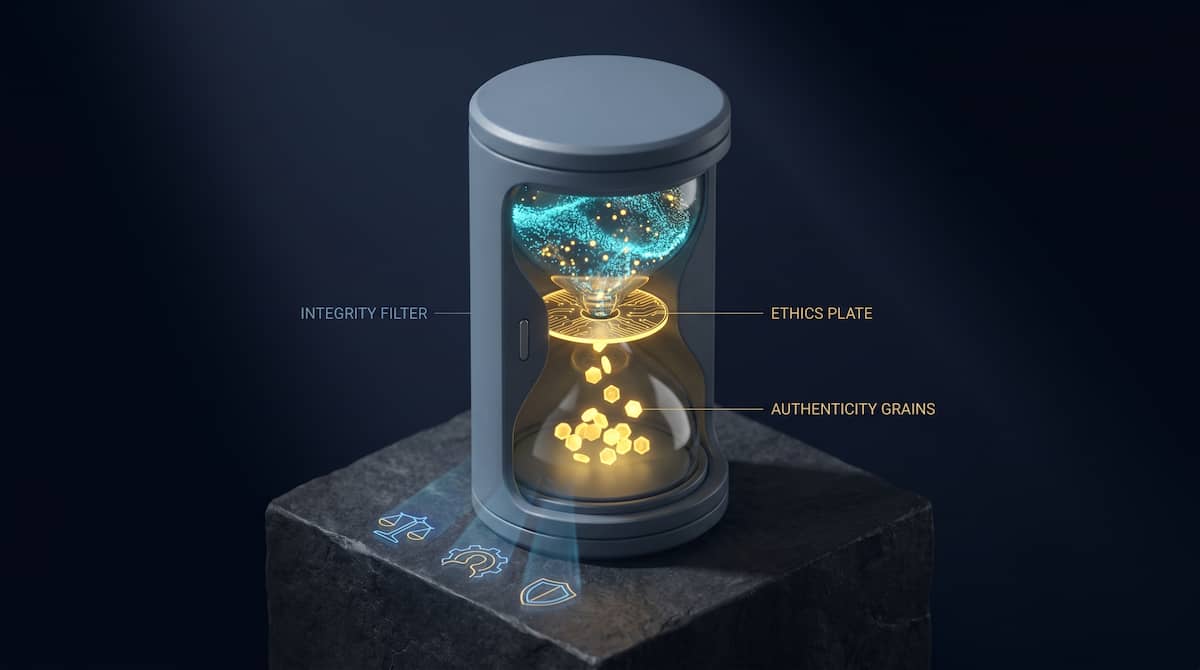
Recruiters are increasingly adept at spotting 'AI-speak'—that overly polished, generic language that lacks the nuance of human experience. If your resume reads like a press release generated by a language model, you may lose credibility before you even reach the interview stage. Your goal should be to use technology as a brush to paint your real portrait, not as a filter that obscures who you actually are.
Why Authenticity Still Wins in Hiring
At the end of the day, an interview is where your resume is tested against reality. If you use AI to embellish your technical expertise, you will likely struggle during a practical assessment or a technical interview. While AI resume builders vs. human experts is a common debate, the human element is what employers actually hire. They are looking for the 'why' and the 'how' behind your work, which an algorithm cannot fully replicate.
When you rely too heavily on automated output, you lose the opportunity to showcase your unique voice and personal brand. The most successful candidates are those who use AI to structure their thoughts and clean up their grammar, but ensure that the core narrative and the specific examples of their work remain their own.
Balancing Efficiency and Integrity: A Step-by-Step Guide
If you want to use AI responsibly, follow this checklist to ensure your application remains honest and effective:
- Use AI for structure and formatting: Let the tool organize your work history into a clean, professional layout that meets modern standards.
- Infuse real data: When quantifying your achievements, replace generic numbers generated by AI with the specific, verified metrics from your past performance.
- Humanize the tone: Read every sentence aloud. If it sounds like a robot wrote it, rewrite it in your own words to match your personal style.
- Verify all claims: Never let an AI make a claim about a software or methodology you have not actually used. You are responsible for every word on that document.
- Customize for the role: Use AI to compare your resume against a job description, but manually adjust the content so it highlights the specific intersection of your interests and the company needs.
- Conduct a final manual review: Treat the AI as an intern—it provides the draft, but you are the boss who provides the final sign-off.
By following these steps, you can harness the speed of automation without compromising the trust that is foundational to any successful career move. Use AI as a co-pilot, but keep your hands firmly on the steering wheel.