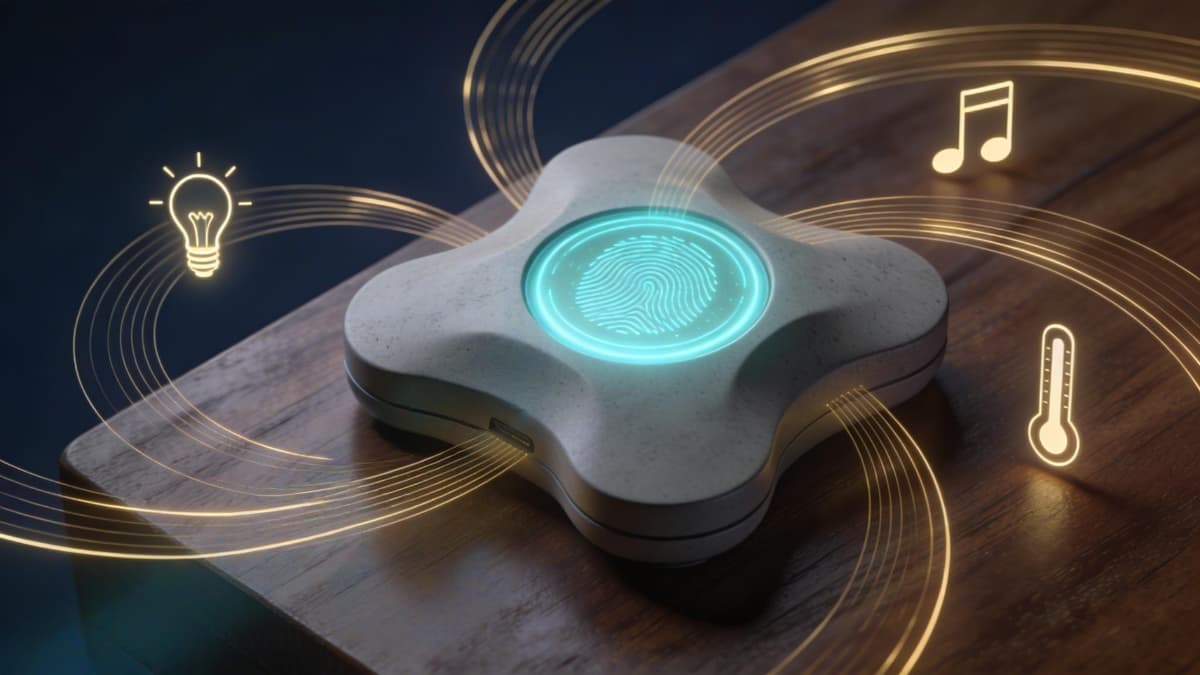
Imagine walking into your home and the lights automatically adjust to your preferred brightness, your favorite music starts playing softly, and the temperature is set just right. This isn't science fiction; it's the reality of AI-powered personalized smart homes. By leveraging the power of artificial intelligence, you can transform your living space into an intelligent environment that caters to your unique needs and preferences. This article will guide you through the process of using AI to create personalized smart home experiences. From understanding the core concepts to implementing practical solutions, we'll cover everything you need to know to make your home truly smart.
Understanding AI Personalization in Smart Homes
At its core, AI personalization in smart homes involves using algorithms and machine learning to analyze data and learn your habits, preferences, and routines. This data can come from various sources, including smart devices like thermostats, lighting systems, entertainment systems, and even wearable devices. The AI then uses this information to make automated adjustments and recommendations, creating a customized experience tailored to your individual needs. This goes far beyond simple automation; it's about creating a home that anticipates and responds to your specific requirements.
Why Personalization Matters
Personalization enhances comfort, convenience, and efficiency. Instead of manually adjusting settings every time, AI automates these tasks, saving you time and effort. For example, an AI-powered thermostat can learn your preferred temperature settings for different times of the day and automatically adjust the temperature accordingly. This not only enhances your comfort but also reduces energy consumption and saves you money.
Moreover, AI-driven personalization can optimize your home's energy usage. By learning your habits and preferences, the AI can identify areas where energy is being wasted and make adjustments to reduce consumption. For example, it can automatically turn off lights in unoccupied rooms or adjust the thermostat when you're away from home. If you're interested in more ways that your home can be made more efficient, you may be interested in reading about AI in Smart Homes: Future Predictions & Automation Trends.
Key Components of an AI-Powered Smart Home
To create a personalized smart home experience, you'll need several key components working together seamlessly:
- Smart Devices: These are the building blocks of your smart home, including smart thermostats, lighting systems, security cameras, entertainment systems, and appliances. Look for devices that are compatible with AI platforms and offer integration with other smart home devices.
- AI Platform: An AI platform serves as the central hub for your smart home, collecting data from your smart devices, analyzing it, and making automated adjustments and recommendations. Popular options include Amazon Alexa, Google Assistant, and Apple HomeKit.
- Data Collection and Analysis: The AI platform collects data from your smart devices, such as temperature settings, lighting preferences, and entertainment habits. It then uses machine learning algorithms to analyze this data and identify patterns and trends.
- Automation Rules and Scenes: Based on the data analysis, you can create automation rules and scenes that trigger specific actions based on certain conditions. For example, you can create a scene that automatically turns on the lights, adjusts the thermostat, and starts playing your favorite music when you arrive home.
Real-World Examples of AI-Powered Personalization
Here are some practical examples of how AI can personalize your smart home experience:
- Adaptive Lighting: AI can learn your preferred lighting levels for different times of the day and activities. For example, it can automatically dim the lights in the evening to create a relaxing ambiance or brighten them in the morning to help you wake up. This is a simple way to boost your daily productivity.
- Smart Thermostat Control: An AI-powered thermostat can learn your preferred temperature settings for different times of the day and automatically adjust the temperature accordingly. It can also take into account factors such as weather conditions and occupancy to optimize energy consumption.
- Personalized Entertainment: AI can learn your music and movie preferences and create personalized playlists and recommendations. It can also automatically adjust the volume and lighting based on the content you're watching or listening to.
- Smart Security: AI can enhance your home security by learning your routines and identifying unusual activity. For example, it can send you an alert if it detects motion when you're not home or if a door or window is left open. Learn more about how AI can enhance your home safety.
Step-by-Step Implementation Guide: Personalize Your Smart Home
Ready to create your own AI-powered personalized smart home experience? Follow these steps:
- Choose an AI Platform: Select an AI platform that meets your needs and is compatible with your existing smart devices. Consider factors such as ease of use, integration with other devices, and available features.
- Connect Your Smart Devices: Connect your smart devices to the AI platform. Follow the instructions provided by the device manufacturer and the AI platform to ensure proper integration.
- Gather Data and Train the AI: Allow the AI platform to collect data from your smart devices over time. The more data it collects, the better it will be able to learn your habits and preferences. Be patient; this process can take several weeks or even months.
- Create Automation Rules and Scenes: Based on the data analysis, create automation rules and scenes that trigger specific actions based on certain conditions. Experiment with different settings and scenarios to find what works best for you. Example: If you are struggling to wake up early, create a scene that gently increases the lighting over time. This can help you achieve your dreams faster with AI.
- Continuously Monitor and Adjust: Regularly monitor the performance of your AI-powered smart home and make adjustments as needed. As your habits and preferences change, the AI may need to be retrained to ensure optimal personalization.
By following these steps, you can transform your home into an intelligent environment that caters to your unique needs and preferences, enhancing your comfort, convenience, and efficiency. AI can unlock significant productivity gains, boosting employee performance and allowing you to enjoy a more seamless and intuitive home experience.