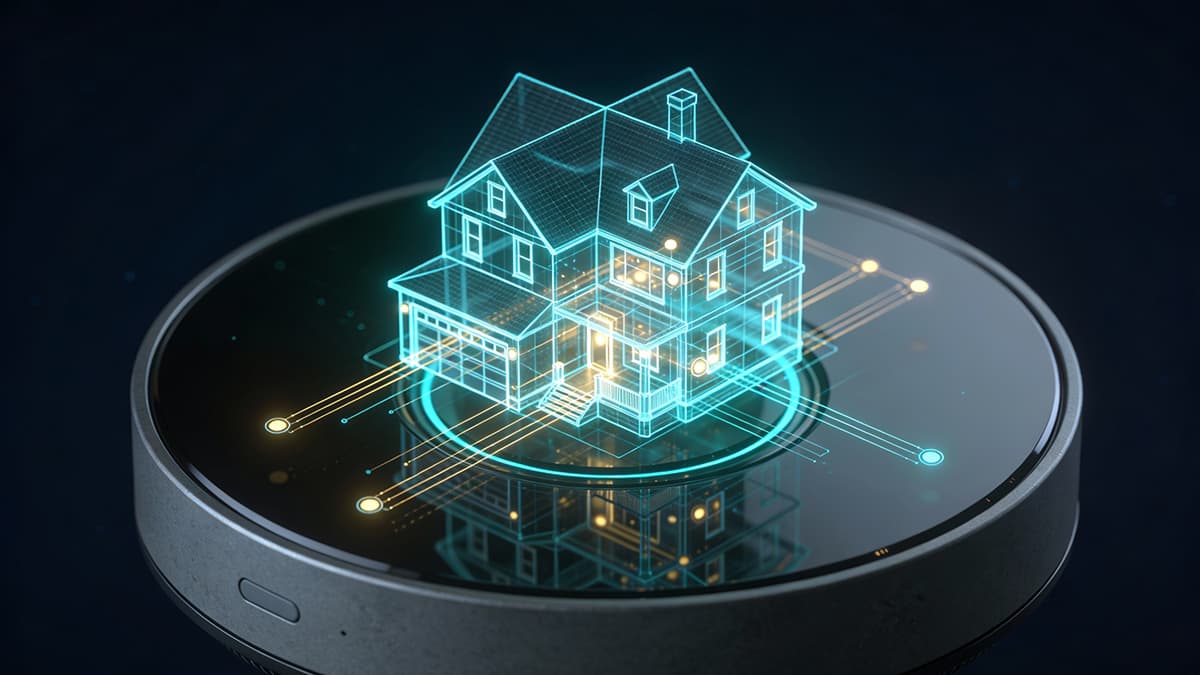
The smart home is evolving rapidly, driven by advancements in artificial intelligence. From simple voice commands to complex automated systems, AI is transforming how we interact with our living spaces. This article explores the future of smart homes, highlighting key AI predictions and trends that will shape our homes in the coming years.
This isn't just about fancy gadgets; it's about creating living spaces that are more responsive, efficient, and personalized to our needs. As AI becomes more integrated, our homes will anticipate our needs, optimize energy consumption, and provide enhanced security, all while seamlessly blending into our daily lives.
Get ready to discover how AI will revolutionize the future of smart homes and the steps you can take to prepare for these exciting advancements.
Core Concepts: AI and Smart Home Integration
Before diving into the trends, let's define the core concepts.
- Artificial Intelligence (AI): At its core, AI involves creating computer systems that can perform tasks that typically require human intelligence. In smart homes, this includes tasks like learning user preferences, making automated decisions, and understanding natural language.
- Machine Learning (ML): A subset of AI, ML allows systems to learn from data without being explicitly programmed. This is crucial for smart homes to adapt to individual user behaviors and optimize performance over time.
- Natural Language Processing (NLP): NLP enables devices to understand and respond to human language, making voice control and interaction much more intuitive.
- Computer Vision: Allows devices to "see" and interpret visual information, enabling features like facial recognition for security or object recognition for automated tasks.
- Smart Home Ecosystem: A network of interconnected devices and systems that can be controlled remotely and often automate tasks based on pre-set rules or AI-driven decisions.
Key AI Predictions and Trends
Several key trends are emerging as AI becomes more deeply integrated into smart homes. These trends promise to enhance convenience, efficiency, and security in ways we never thought possible.
-
Predictive Automation: Smart homes will learn your routines and preferences, anticipating your needs before you even realize them. Imagine your thermostat adjusting automatically based on your location and the weather forecast, or your lights turning on as you approach your front door. This moves beyond simple automation to proactive, intelligent assistance.
-
Personalized Experiences: AI will enable hyper-personalized smart home experiences. From customized lighting and music to tailored security settings, your home will adapt to your individual needs and preferences. This level of personalization enhances comfort and convenience while optimizing energy usage.
-
Enhanced Security: AI-powered security systems will become more sophisticated, using facial recognition, anomaly detection, and predictive analytics to protect your home from threats. These systems will be able to distinguish between authorized individuals and intruders, alerting you to potential risks in real-time.
-
Energy Efficiency: AI will play a significant role in optimizing energy consumption in smart homes. By analyzing usage patterns, predicting demand, and automatically adjusting settings, AI can help reduce energy waste and lower utility bills. This includes intelligent lighting, HVAC systems, and appliance management.
-
Seamless Integration: We will see a more unified and seamless integration of devices and platforms. AI will act as the central nervous system, connecting different systems and enabling them to work together harmoniously. This means fewer compatibility issues and a more intuitive user experience.
-
Improved Accessibility: AI is making smart home technology more accessible to everyone, including those with disabilities. Voice control, gesture recognition, and personalized interfaces will make it easier for people of all abilities to interact with their homes. This promotes inclusivity and independence.
Examples and Use Cases
To illustrate these trends, consider the following examples:
- Beginner: A smart thermostat learns your preferred temperature settings and automatically adjusts the temperature throughout the day to maximize comfort and energy savings. You can also use voice commands to control the thermostat remotely.
- Intermediate: A smart lighting system adjusts the lighting levels in your home based on the time of day, your activity, and your mood. The system can also detect when you leave a room and automatically turn off the lights to save energy. You might also consider integrating this with other AI-Powered Automation: Simple Ways to Boost Your Daily Productivity.
- Advanced: A comprehensive smart home system integrates security, lighting, HVAC, and entertainment systems. The system uses AI to learn your routines and preferences, anticipating your needs and automatically adjusting settings to optimize comfort, security, and energy efficiency. It can even detect unusual activity and alert you to potential threats.
The AI-Ready Smart Home: A Step-by-Step Implementation Guide
Ready to bring these AI-powered smart home features into your own living space? Here’s how to get started:
-
Assess Your Needs: Identify the areas where AI can make the biggest impact in your home. Do you want to improve security, enhance energy efficiency, or simply make your life more convenient? Prioritize your needs to guide your technology choices.
-
Choose the Right Devices: Research and select smart home devices that align with your needs and budget. Look for devices that are compatible with your existing systems and that offer AI-powered features like machine learning, natural language processing, or computer vision. Consider factors like ease of use, security, and reliability. Consider leveraging the benefits of great UX/UI Design for AI Tools: Boost Productivity Through User Experience when choosing the best product for you.
-
Set Up Your Network: Ensure you have a robust and secure Wi-Fi network to support your smart home devices. Consider using a mesh network to extend coverage throughout your home. Secure your network with a strong password and enable encryption to protect your data.
-
Integrate and Automate: Connect your smart home devices to a central hub or platform. Use AI-powered automation tools to create rules and routines that automate tasks based on your preferences. For example, you can set up your lights to turn on automatically when you arrive home, or your thermostat to adjust based on the weather forecast. Don't fall victim to AI Tool Overload: Simplify Your Workflow and Reclaim Your Focus – start small and build from there.
-
Train Your AI: Allow your smart home system to learn your routines and preferences over time. The more you use the system, the more accurately it will anticipate your needs and optimize performance. Be patient and provide feedback to help the system learn and adapt.
-
Monitor and Optimize: Regularly monitor the performance of your smart home system and make adjustments as needed. Analyze energy consumption, security alerts, and other data to identify areas for improvement. Stay up-to-date on the latest AI advancements and consider adding new devices and features to enhance your smart home experience.
By following these steps, you can create an AI-ready smart home that enhances convenience, security, and energy efficiency.
Actionable Asset: Smart Home Needs Assessment Template
Before you start buying devices, it can be really helpful to map out exactly what you want to achieve, what's already covered, and what gaps need filling.
Create a simple table with these columns:
| Feature | Goal | Devices Needed | Budget | Notes |
|---|---|---|---|---|
| Security | Monitor front door, deter theft | Smart doorbell, security cameras | $200 | Consider night vision |
| Energy Savings | Reduce electricity bill | Smart thermostat, smart plugs | $150 | Research rebates |
| Convenience | Automate lighting | Smart bulbs, smart switches | $100 | Use voice control |
Fill out the table honestly, and it will really clarify where you should focus first.
Conclusion
The future of smart homes is undoubtedly intertwined with AI. As AI technology continues to evolve, we can expect even more innovative and transformative solutions that will enhance our living spaces in profound ways. By embracing these advancements, we can create homes that are not only smarter but also more responsive, efficient, and personalized to our individual needs. Take the first steps towards AI integration today and experience the future of living.