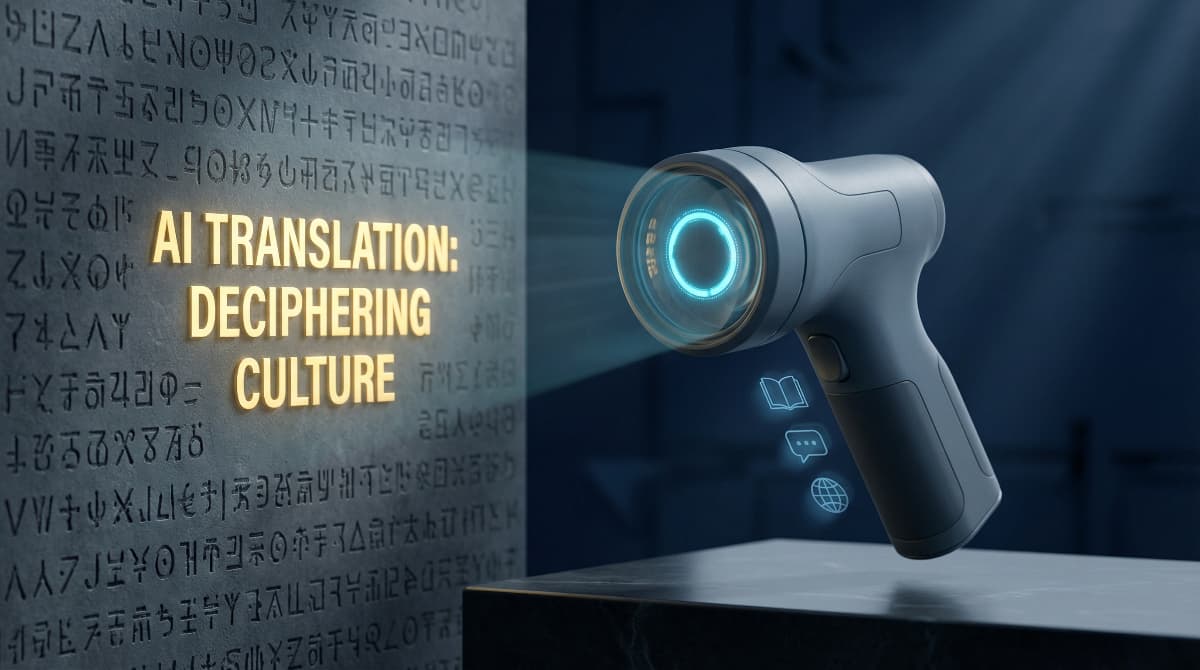
Navigating a foreign country can be an exhilarating experience, but language barriers can often create frustrating roadblocks. Imagine trying to decipher a menu in a restaurant where you don't understand a single word, or trying to understand street signs that are completely foreign to you. Thanks to AI image recognition, those days of confusion are quickly becoming a thing of the past. This technology allows you to simply point your smartphone at an image and instantly receive a translation, making your travel adventures far more enjoyable and stress-free.
What is AI Image Recognition for Travel?
AI image recognition, in the context of travel, refers to using artificial intelligence to analyze images captured by your smartphone or other devices and provide relevant information. This information can include translating text, identifying objects, or even providing historical context. The core of this technology relies on computer vision, which enables computers to "see" and interpret images like humans do. When applied to travel, this means you can use your phone's camera to understand foreign signs, menus, and other visual information.
This goes beyond simple character recognition; AI image recognition understands context. This means it can differentiate between a sign and a piece of art, or a menu item and a decorative element. This contextual understanding leads to more accurate and relevant translations and interpretations.
Why Use AI Image Recognition When Traveling?
- Break Down Language Barriers: Instantly translate signs, menus, and other text. This can be a lifesaver in situations where you don't speak the local language.
- Enhance Cultural Immersion: Understand local customs and traditions by identifying cultural symbols and landmarks. AI can provide historical or cultural context, enriching your travel experience.
- Improve Navigation: Navigate unfamiliar environments with ease by recognizing street signs, landmarks, and public transportation information. No more getting lost in translation—or just plain lost!
- Save Time and Reduce Stress: Avoid miscommunications and frustration by quickly understanding visual information. This frees up your time and mental energy to focus on enjoying your trip. Check out our article on AI Real-Time Translation: Your Travel Language Lifesaver to see how it complements image recognition.
- Uncover Hidden Gems: Discover unique points of interest and local favorites that you might otherwise miss. AI can identify landmarks or objects and provide relevant information about them, leading you to unique and memorable experiences.
Real-World Examples of AI Image Recognition in Travel
Here are some scenarios where AI image recognition can be a game-changer:
- Decoding Restaurant Menus: Imagine sitting down at a restaurant in Tokyo and being presented with a menu entirely in Japanese. With AI image recognition, you can simply snap a photo of the menu and instantly translate it into your native language. No more pointing blindly at items and hoping for the best!
- Understanding Street Signs: Navigating a new city can be challenging, especially when you don't understand the local language. AI image recognition can help you decipher street signs, traffic signals, and other important navigational information, ensuring you don't get lost. Imagine easily navigating the streets of Rome thanks to instant translation of street signs.
- Identifying Landmarks and Monuments: When visiting historical sites, AI image recognition can provide valuable context and information about the landmarks you're seeing. Simply point your phone at a monument, and the AI can tell you its history, significance, and other interesting facts. This can deepen your appreciation for the local culture and history.
- Recognizing Products in Local Markets: Ever wondered what that unusual fruit or vegetable is at the local market? AI image recognition can identify it and provide information about its origin, uses, and even recipes. This can help you discover new and exciting flavors and ingredients.
- Understanding Museum Exhibits: Museums often have exhibits in multiple languages, but sometimes the English translation is lacking or incomplete. AI image recognition can help you get a more accurate and detailed understanding of the exhibits, enriching your museum experience.
Step-by-Step Implementation Guide: Using AI Image Recognition on Your Trip
Here's how to leverage AI image recognition tools during your travels:
-
Choose the Right Tool: Several apps and platforms offer AI image recognition capabilities. Some popular options include Google Translate, Microsoft Translator, and dedicated travel apps that incorporate image recognition features. Experiment with a few to find the one that best suits your needs.
Example tools to consider: Google Lens, Microsoft Translator, Waygo (for Asian languages)
-
Download and Install the App: Once you've chosen an app, download and install it on your smartphone or tablet. Make sure to grant the app the necessary permissions, such as access to your camera and microphone.
-
Configure Language Settings: Before you start using the app, configure your language settings. Select your native language and the language you want to translate to. Some apps may also allow you to download language packs for offline use.
-
Test the App Before You Go: Before you embark on your trip, test the app in a familiar environment to ensure it's working correctly. Try translating signs, menus, or other text in your home language to get a feel for how the app works. This is a good time to troubleshoot any issues before you're in a foreign country.
-
Utilize the Camera Feature: When you encounter a sign, menu, or other text you want to translate, open the app and use the camera feature. Point your camera at the text, and the app will automatically detect and translate it. Some apps may also allow you to upload images from your gallery.
-
Explore Additional Features: Many AI image recognition apps offer additional features, such as text-to-speech, offline translation, and object recognition. Explore these features to get the most out of the app and enhance your travel experience. If you want to prep before your trip, read our article on AI Travel Prompt Library: Your Ultimate Itinerary Generator.
Making the Most of AI Image Recognition
- Download Language Packs: Before you travel, download the necessary language packs for offline use. This will allow you to use the app even when you don't have an internet connection.
- Practice Using the App: Take some time to practice using the app before you travel. This will help you become more familiar with its features and functions, so you can use it more efficiently when you're on the road.
- Check for Updates: Make sure your app is up to date with the latest version. App developers often release updates to improve performance, fix bugs, and add new features.
- Be Mindful of Data Usage: Keep an eye on your data usage, especially if you're using the app in a foreign country. Consider purchasing a local SIM card or using Wi-Fi whenever possible to avoid high roaming charges. To avoid these costs, consider using our guides to create AI Travel Content: Generate Blogs & Social Media Posts Fast to help you learn more about your destination.
- Respect Local Customs: Be mindful of local customs and etiquette when using AI image recognition in public places. Avoid taking photos of people without their permission, and be respectful of cultural norms and traditions.
AI image recognition is a powerful tool that can significantly enhance your travel experiences. By breaking down language barriers, improving navigation, and providing cultural context, it empowers you to explore the world with greater confidence and ease. As AI technology continues to evolve, we can expect even more innovative applications that will further transform the way we travel. The prospect of AI being the tool to help you find AI Travel Inspiration: Find Your Next Dream Destination is closer than ever. Why not see what AI Travel Trends: Predict Demand and Emerging Destinations are out there and test your new AI image recognition skills!